
In recent years, the rise of technology has transformed the way we communicate, work, and live. With the advent of smartphones, social media, and instant messaging, interactions have become more instantaneous and accessible. This shift has brought about both positive and negative implications for society.
The Impact of Technology on Communication
On one hand, technology has bridged gaps between people across the globe. Families can stay connected regardless of distance, and friends can share experiences in real-time. Businesses have also benefited from these advancements, as remote work has become more feasible, leading to increased productivity and flexibility for employees.
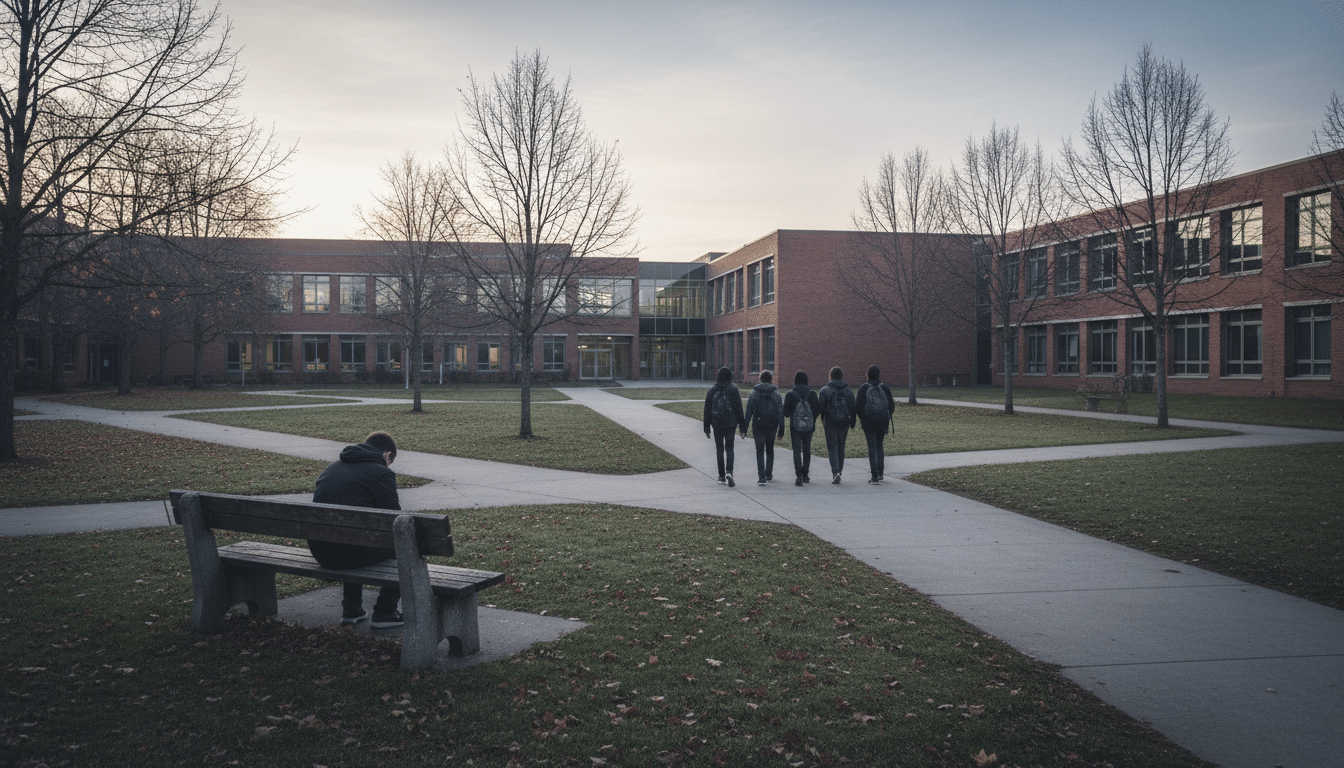
However, the rapid pace of technological advancement has also raised concerns about its effects on personal relationships. Many individuals find themselves spending more time on their devices than engaging in face-to-face interactions. This phenomenon has sparked discussions about the quality of relationships in the digital age, with experts suggesting that while communication is easier, it may not necessarily be deeper.
Furthermore, the prevalence of social media has changed the dynamics of how we present ourselves to the world. While individuals can curate their online personas, this can lead to issues such as comparison, anxiety, and a distorted sense of reality. The pressure to maintain a perfect image online can be overwhelming, particularly for younger generations.
Another significant aspect of technology’s influence is related to its role in education. Online learning platforms have made education more accessible to a wider audience. Students from various backgrounds can now access quality materials and courses from the comfort of their homes. This democratization of knowledge has the potential to level the playing field for many learners.
Despite these advantages, there are challenges to consider. The reliance on technology in education can lead to distractions, and not all students have equal access to the necessary resources. Additionally, the effectiveness of online learning compared to traditional classroom settings remains a topic of debate among educators and parents alike.
As technology continues to evolve, it is crucial for individuals and society as a whole to adapt. Embracing the benefits while being mindful of the challenges can lead to a more balanced approach to technology use. By prioritizing meaningful interactions and thoughtful engagement with digital tools, we can navigate this complex landscape effectively.
In conclusion, the integration of technology into our daily lives has reshaped communication, education, and personal relationships. Understanding its implications allows us to harness its power while mitigating potential downsides, ultimately fostering a more connected and informed society.