
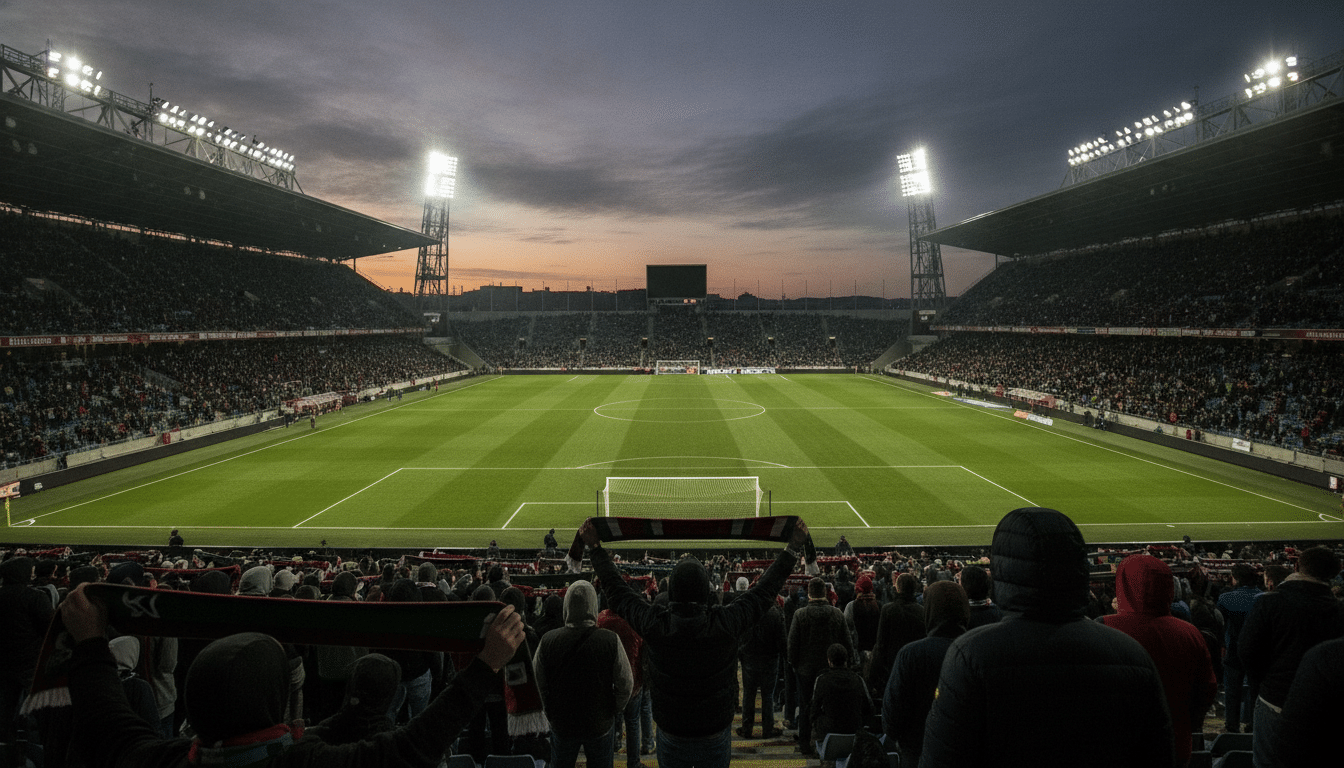
Denmark’s 3F Superliga has outlined how and why its matches are scheduled across different days and times, with a particular focus on weekday and Monday fixtures. Regular kick-off slots are Friday at 19:00, Sunday at 14:00, 16:00 and 18:00, and Monday at 19:00. Because of broadcast agreements, most time slots can host only one match per round, except Sunday at 14:00, when two games are allowed. When the usual windows are unavailable due to European fixtures, domestic cup ties, international breaks or similar clashes, games are typically moved to Saturday afternoon or, if needed, Sunday morning. The international calendar is so crowded that rounds cannot always be played in the standard slots.
Understanding the Scheduling Strategy of 3F Superliga
Saturday is not a permanent match day in the Superliga. Clubs have chosen to keep it as an alternative option, although the tight schedule means it is still used fairly often. The league cites several reasons for spreading kick-off times. Many supporters like to watch more than one game per round. Clubs also have traditional preferences, with some favoring Friday evenings. Different fan groups have different needs: some prefer weekday evenings that fit around work, while others favor weekends.
The domestic league also competes for attention with large international competitions, so being visible on multiple days of the week is seen as important. Varied scheduling helps create attractive television packages. Monday matches are common across Europe, and in Denmark the mix of kick-off times has not hurt attendances or TV audiences; over time, both have grown. Crowd sizes on Mondays are broadly comparable to other days, though the makeup of the audience can differ.
Television agreements are described as vital to club finances, providing a key revenue stream—especially for smaller budgets—and ensuring nationwide coverage. Strong broadcast interest and exposure support the overall economics of the competition.
The league says consistently pairing geographically close teams on weekdays is rarely possible. European commitments, international windows, the domestic cup and police considerations leave little room to maneuver. To keep things fair, there are limits so that Friday and Monday games are shared broadly across clubs. Some teams welcome a spread of days to serve different supporter groups, while others would prefer most matches on Sunday. In the 2025/26 season, there were 23 Monday matches and 27 Friday matches out of 192 games.
Decisions on scheduling are made collectively by the clubs when they sell the competition to broadcasters, including limits on how many weekday fixtures each club can play. The Danish League Association (Divisionsforeningen) handles the detailed match-by-match timetable based on those guidelines.