
As the world continues to grapple with the challenges posed by climate change, cities are increasingly looking for innovative solutions to reduce their carbon footprints and promote sustainability. Urban areas are responsible for a significant portion of global greenhouse gas emissions, which is why many municipalities are stepping up efforts to implement green initiatives.
Innovative Solutions for Sustainable Urban Living
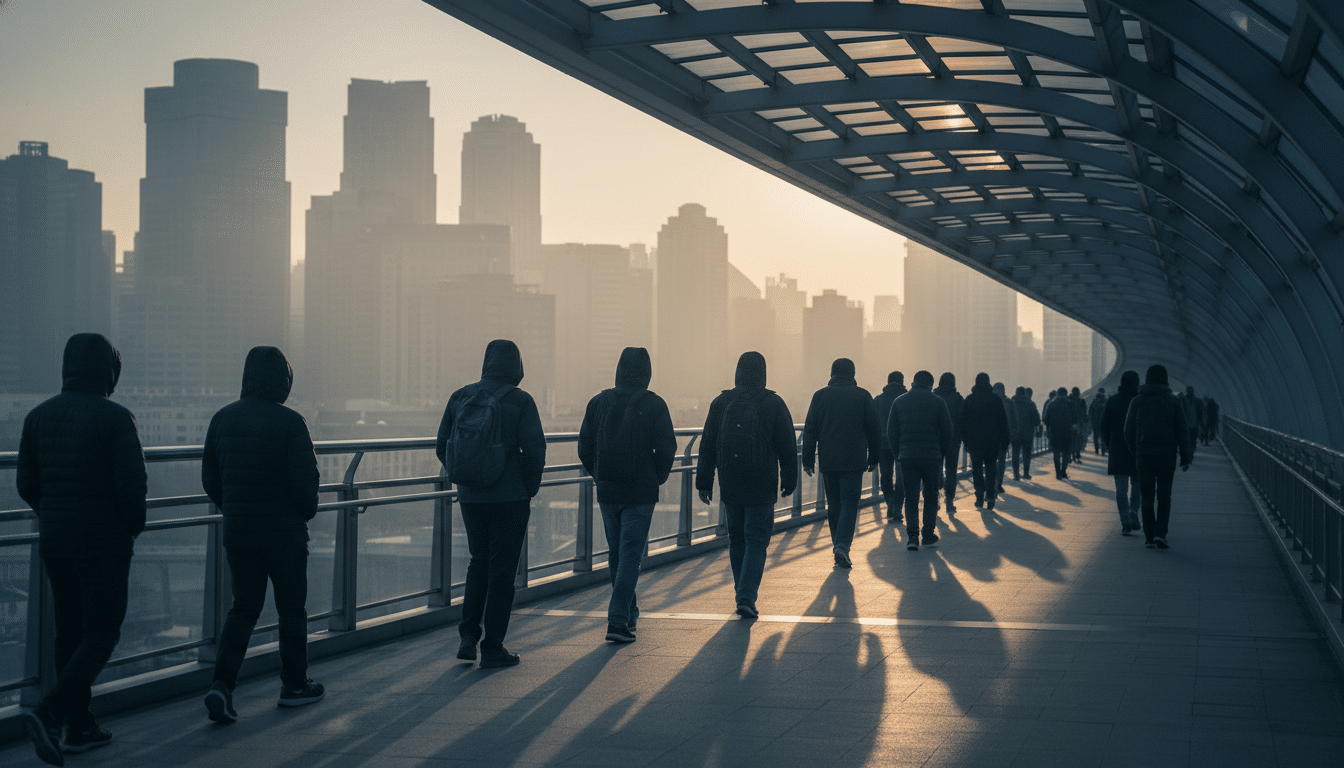
One of the key strategies being adopted is the enhancement of public transportation systems. By investing in electric buses and expanding rail networks, cities aim to reduce reliance on personal vehicles, which contribute heavily to air pollution and traffic congestion. Additionally, the promotion of cycling and walking through the development of dedicated bike lanes and pedestrian-friendly zones encourages a healthier lifestyle while decreasing vehicular emissions.
Another crucial aspect of urban sustainability is the increase in green spaces. Parks and community gardens not only improve the quality of life for residents but also play a vital role in absorbing carbon dioxide and producing oxygen. Cities are also exploring vertical gardens and green roofs, which can help cool buildings and reduce the urban heat island effect.
Energy efficiency is at the forefront of many urban initiatives. Local governments are implementing programs to encourage the use of renewable energy sources, such as solar and wind power. By providing incentives for homeowners and businesses to adopt these technologies, cities can significantly cut down on reliance on fossil fuels.
Moreover, waste management is being re-evaluated in many urban areas. Initiatives aimed at reducing, reusing, and recycling waste are gaining traction, with cities setting ambitious goals for zero waste. Educational campaigns are essential in promoting these practices among residents, helping to foster a culture of sustainability.
In conclusion, the push towards sustainable urban living is gaining momentum as cities recognize the importance of acting against climate change. Through innovative public transportation, green spaces, energy efficiency, and effective waste management, urban areas can make significant strides toward creating a healthier environment for future generations.