
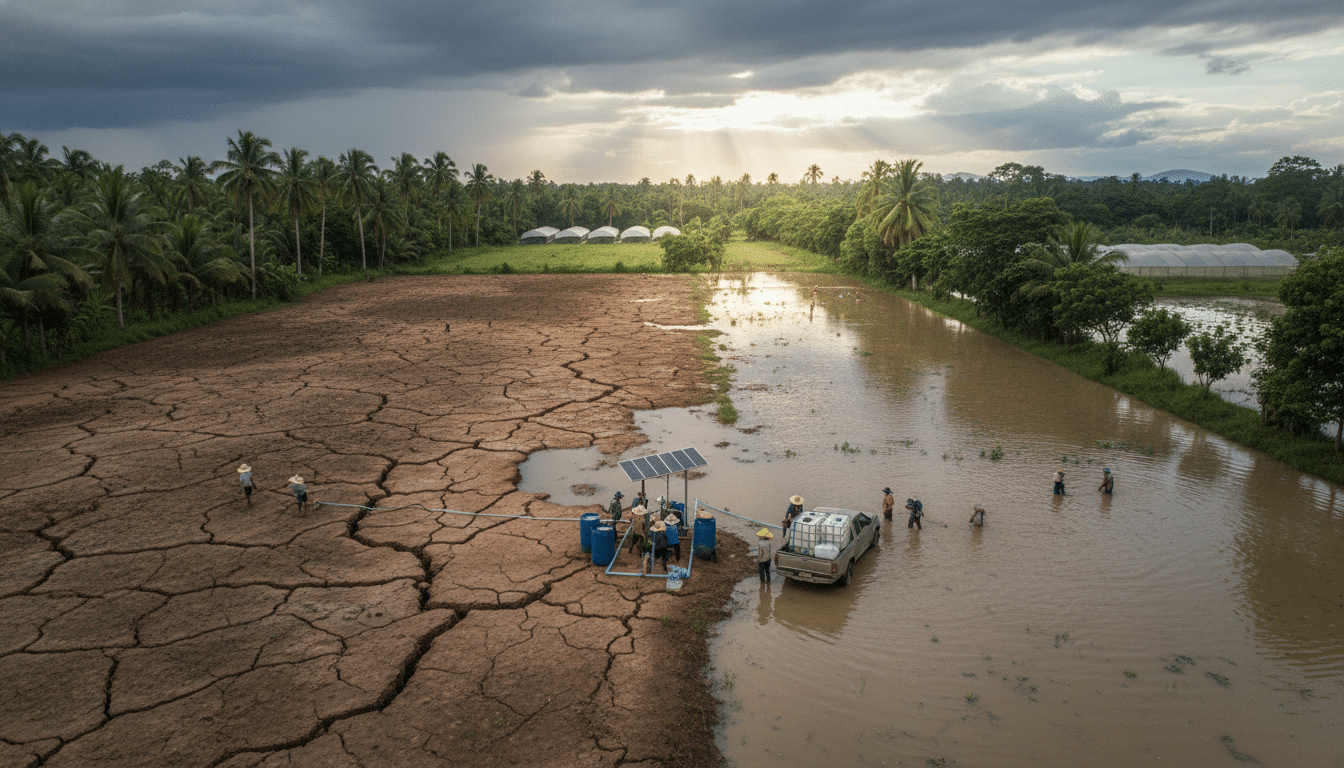
In recent years, the demand for renewable energy has surged globally, driven by the need to combat climate change and reduce reliance on fossil fuels. Countries around the world are investing heavily in solar, wind, and other renewable sources to power their economies sustainably. This transition is not only crucial for the environment but also presents significant economic opportunities.
The Growth of Renewable Energy
The renewable energy sector has witnessed unprecedented growth, with solar and wind energy leading the charge. According to recent statistics, the global capacity for renewable energy has increased by over 20% in the last year alone. This surge is largely attributed to advancements in technology, which have made renewable energy sources more efficient and cost-effective.
Governments are also playing a pivotal role in this transition. Many nations have set ambitious targets for reducing carbon emissions and increasing the share of renewables in their energy mix. For instance, several countries aim to achieve net-zero emissions by 2050, prompting investments in renewable infrastructure. As a result, the renewable energy sector is expected to create millions of jobs in the coming years, offering a sustainable path for economic recovery post-pandemic.
Moreover, the shift to renewable energy is not just an environmental necessity but also a strategic economic move. By investing in local renewable energy projects, countries can enhance their energy security, reduce dependency on imported fuels, and stimulate local economies. The growth of the renewable energy market has also led to innovations in energy storage and smart grid technologies, further supporting the integration of renewable sources into existing energy systems.
Despite the positive trends, challenges remain. The intermittent nature of renewable energy sources, such as solar and wind, requires robust grid management and energy storage solutions to ensure a reliable supply. Additionally, transitioning to a renewable-based economy requires significant upfront investment and regulatory support to facilitate change.
In conclusion, the rise of renewable energy represents a crucial development in global efforts to combat climate change. As countries continue to invest in sustainable energy solutions, the benefits will extend beyond environmental preservation, driving economic growth and job creation in the process. The future of energy is undoubtedly green, and the journey toward a sustainable energy landscape is well underway.