
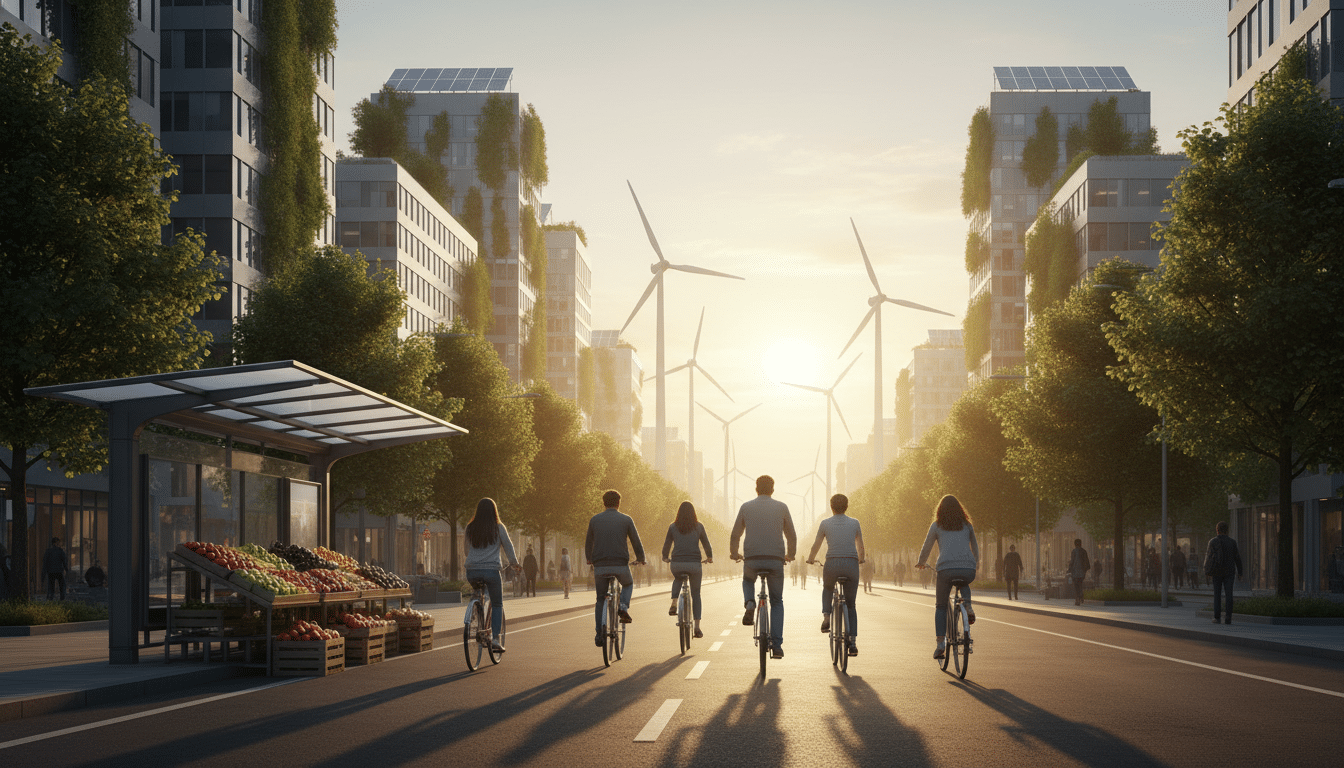
In recent years, the demand for sustainable energy sources has grown significantly as societies strive to combat climate change and reduce reliance on fossil fuels. Renewable energy technologies, such as solar, wind, and hydroelectric power, have become essential in this transition. Experts predict that by 2030, a substantial portion of the world’s energy could come from renewable sources, leading to a major shift in how energy is produced and consumed.
The Rise of Renewable Energy
Countries around the globe are investing heavily in renewable energy infrastructure. Governments are implementing policies that support the development of green technologies, providing incentives for both consumers and businesses to switch to renewable sources. This has led to a rapid increase in the installation of solar panels and wind turbines, which are now commonplace in many regions.
One of the significant benefits of renewable energy is its potential to create jobs. The renewable energy sector has been a significant source of employment, providing opportunities in manufacturing, installation, and maintenance of energy systems. Furthermore, as the technology continues to advance, the cost of renewable energy production has decreased, making it more accessible for everyday consumers.
As more individuals and businesses shift towards renewable energy sources, the need for energy storage solutions also rises. Innovations in battery technology are crucial for managing energy supply and demand, especially with the intermittent nature of solar and wind energy. Companies are actively researching and developing new methods to store energy more efficiently, ensuring stability in energy supply.
In addition to environmental benefits, renewable energy sources contribute to energy independence for many nations. By reducing dependence on imported fossil fuels, countries can enhance their energy security, leading to a more stable economy. This shift also aligns with global goals to reduce greenhouse gas emissions and mitigate the effects of climate change.
Overall, the transition to renewable energy is not just a trend; it represents a fundamental change in how we power our lives. As technology continues to evolve and become more affordable, the future of energy looks increasingly green and sustainable.